For many people, cold sores appear suddenly, heal within a week or two, and then disappear. Yet for others, the problem becomes frustratingly repetitive. A blister forms on the lip, fades away, and then months later the exact same spot begins tingling again before another outbreak emerges. This cycle can continue for years, leading many individuals to wonder why cold sores keep coming back even after treatment.
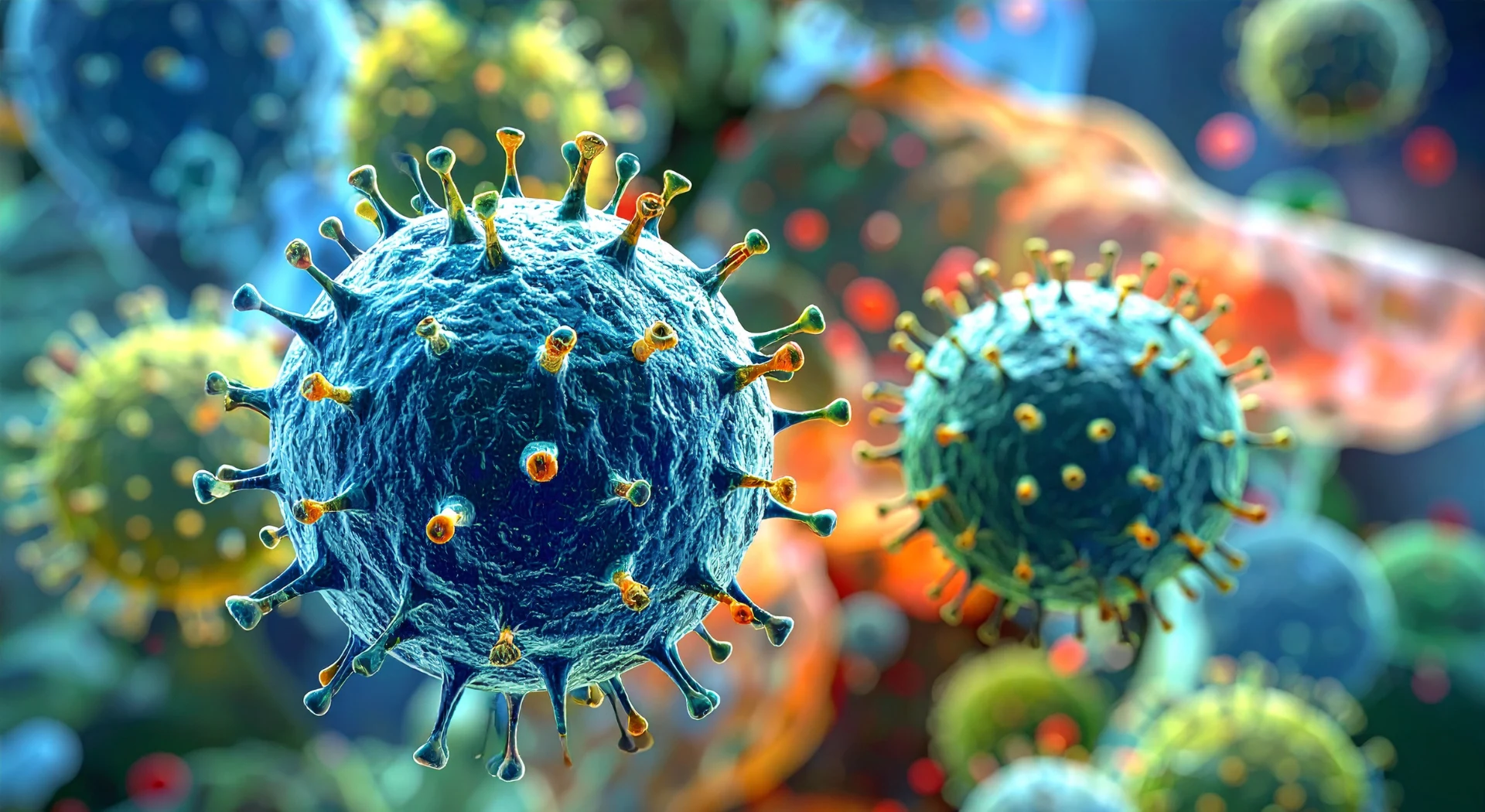
Cold sores are caused by herpes simplex virus type 1, commonly referred to as HSV-1. Once this virus enters the body it establishes a lifelong presence within the nervous system. Instead of being completely eliminated by the immune system, HSV-1 becomes dormant inside sensory nerve cells where it can remain inactive for extended periods of time. Under certain physiological conditions the virus may reactivate and travel back toward the skin, producing the familiar blister known as a cold sore.
Researchers studying herpes viruses describe this process as viral latency and reactivation. HSV-1 establishes latency primarily within neurons of the trigeminal ganglia, a collection of nerve cells responsible for transmitting sensation from the face and lips. During latency the viral genome remains inside the neuron without producing infectious particles, allowing the virus to persist in the body for life.
Scientific Source:
https://pmc.ncbi.nlm.nih.gov/articles/PMC3492847/
Because of this unique ability to hide within nerve cells, herpes infections behave very differently from many other viral illnesses. The immune system can suppress the virus but cannot fully eliminate it. As a result, outbreaks may return periodically when specific biological triggers activate viral replication again.
Understanding this viral behavior is essential for anyone trying to learn how to prevent recurrent cold sores naturally. By examining how HSV-1 persists in the body and what factors trigger its reactivation, researchers have begun identifying strategies that may help reduce outbreak frequency and support long-term immune resilience.
Understanding the Biology of HSV-1 Infection
Herpes simplex virus type 1 is among the most widespread viral infections affecting humans. Transmission usually occurs through direct contact with infected saliva or skin lesions, often during childhood through simple interactions such as kissing family members or sharing utensils.
After entering the body, HSV-1 initially infects epithelial cells in the skin or mucous membranes around the mouth. During this early stage the virus replicates rapidly, producing the small fluid-filled blisters commonly recognized as cold sores.
However, the infection does not remain limited to the skin. Within a short time after entering epithelial tissue, viral particles travel along nearby sensory nerves toward the nervous system. This movement occurs through a process known as retrograde axonal transport, in which viruses move along nerve fibers toward neuronal cell bodies.
Scientific studies have shown that HSV-1 particles migrate to the trigeminal ganglia where they establish latent infection inside neurons.
Scientific Source:
https://pmc.ncbi.nlm.nih.gov/articles/PMC5019400/
Once the virus reaches these neurons, it enters a dormant phase. Instead of producing new viruses continuously, HSV-1 maintains a quiet presence inside the cell by expressing only a small set of genetic transcripts known as latency-associated transcripts.
Scientific Source:
https://pubmed.ncbi.nlm.nih.gov/2833602/
These transcripts help stabilize the viral genome and prevent it from triggering a full replication cycle. In essence, the virus hides within the neuron while waiting for environmental signals that indicate favorable conditions for reactivation.
This ability to remain dormant is the primary reason herpes infections are lifelong. The virus essentially creates a biological hiding place where it can evade immune detection.
Why Cold Sores Often Appear in the Same Location
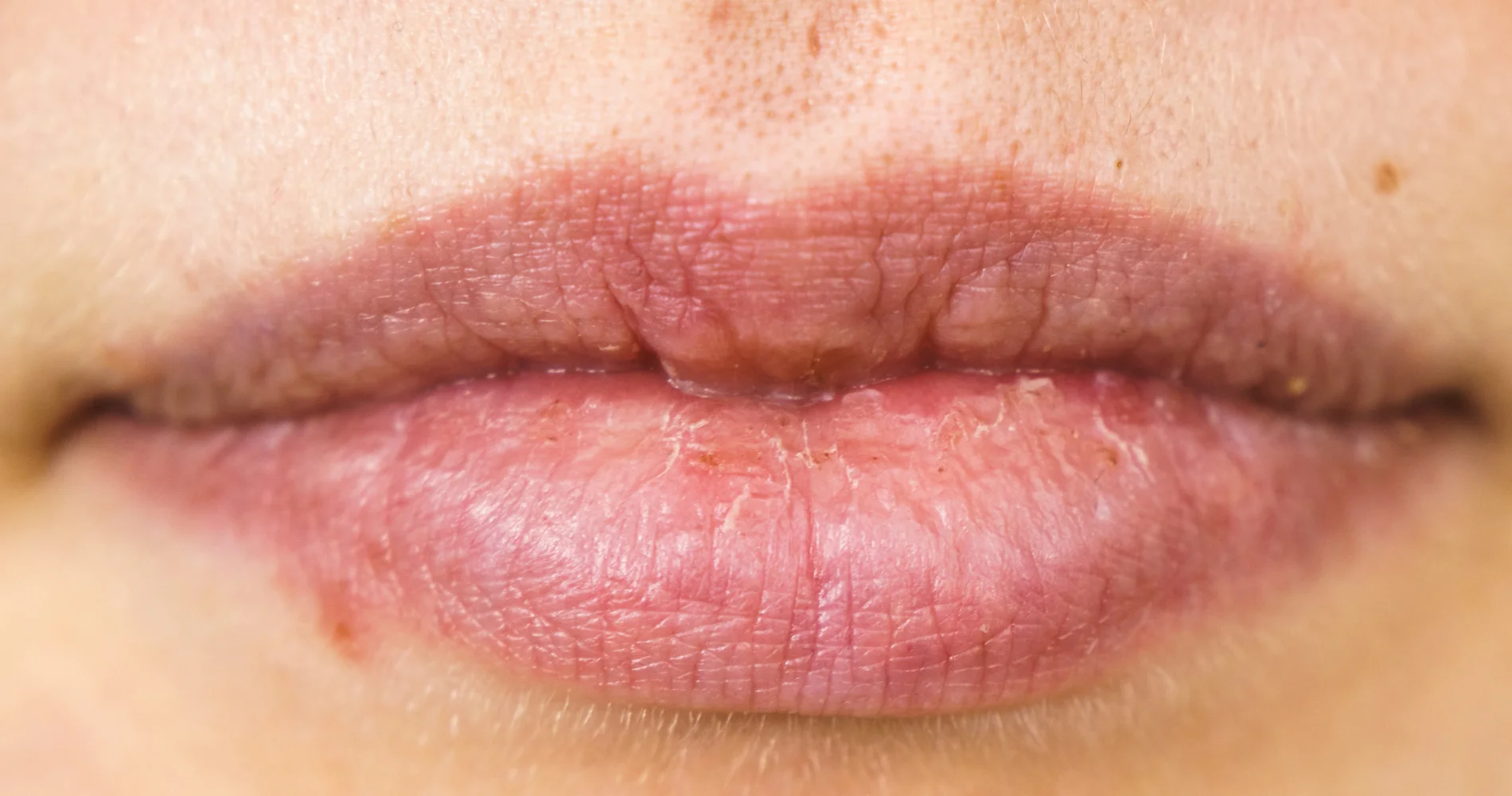
One of the most puzzling aspects of recurrent cold sores is their tendency to appear in the same area repeatedly. Many people report that each outbreak forms on nearly the exact same spot on the lip.
This pattern is not coincidental. Each sensory nerve in the trigeminal ganglia connects to a specific region of the face. When HSV-1 reactivates, it travels down the same nerve branch it originally used during the first infection.
As the virus moves along this pathway toward the skin, it infects epithelial cells in the area supplied by that nerve. Because the same neuron is typically involved during each reactivation event, the virus reaches the same patch of skin each time.
Research examining human trigeminal ganglia has confirmed that HSV-1 genomes persist within specific neurons, and viral reactivation from those neurons leads to lesions in the skin regions they innervate.
Scientific Source:
https://pmc.ncbi.nlm.nih.gov/articles/PMC9191828/
This neurological relationship explains why many individuals experience a familiar tingling or itching sensation in a specific location shortly before a cold sore appears. The sensation reflects viral activity traveling along the nerve toward the skin surface.
Viral Latency and the Cycle of Reactivation
The lifecycle of HSV-1 alternates between two major phases. The first phase is latency, during which the virus remains dormant inside nerve cells without producing new viral particles. The second phase is reactivation, during which viral replication resumes and the virus spreads back to the skin.
Researchers believe that multiple biological factors influence the transition between these phases. Certain environmental signals inside the body can activate viral genes responsible for replication.
During reactivation the virus begins producing new viral particles within the neuron. These particles then travel along nerve fibers back toward epithelial tissue. Once they reach the skin surface they infect local cells and begin replicating again, eventually producing the visible blister characteristic of a cold sore.
Scientific investigations have demonstrated that immune cells located within the trigeminal ganglia play a critical role in suppressing viral reactivation. Specialized immune cells monitor infected neurons and release antiviral cytokines that help keep the virus in its dormant state.
Scientific Source:
https://www.frontiersin.org/articles/10.3389/fimmu.2021.723809
If this immune surveillance weakens even temporarily, the virus may gain an opportunity to initiate replication again.
Common Triggers That Reactivate HSV-1
Although HSV-1 remains dormant most of the time, certain conditions can trigger the virus to reactivate. These triggers usually involve physiological stress or temporary disruption of immune balance.
1) Psychological Stress
Stress is one of the most commonly reported triggers for recurrent cold sores. During periods of psychological stress the body releases stress hormones such as cortisol and adrenaline. These hormones influence immune signaling pathways and may reduce the immune system’s ability to suppress latent viruses.
Experimental research examining HSV-1 latency suggests that stress-related signaling pathways can contribute to viral reactivation in neurons.
When stress persists for extended periods, the resulting hormonal changes may create an environment that allows HSV-1 to begin replicating again.
2) Illness and Fever
Another well-known trigger for cold sores is illness. Many people notice outbreaks appearing during or shortly after respiratory infections such as colds or influenza. This phenomenon explains why cold sores are sometimes referred to as fever blisters.
When the immune system is actively fighting another infection, immune resources may temporarily shift toward addressing that threat. During this period the suppression of latent viruses may become less effective, allowing HSV-1 to reactivate.
3) Sunlight and Ultraviolet Radiation
Ultraviolet radiation from sunlight is another recognized trigger. Dermatological studies have shown that intense UV exposure can activate cellular stress pathways in skin cells and stimulate viral replication.
For individuals prone to recurrent outbreaks, prolonged sun exposure without lip protection may increase the risk of developing cold sores.
4) Hormonal Changes
Hormonal fluctuations may also influence herpes virus reactivation. Changes in hormone levels can alter immune function and inflammatory signaling pathways, which may indirectly affect the virus’s ability to remain dormant.
Some individuals experience outbreaks during periods of hormonal change such as menstruation, pregnancy, or significant physiological stress.
5) Nutritional and Immune Stress
The immune system plays a central role in controlling HSV-1 latency. Factors that weaken immune resilience may increase susceptibility to outbreaks.
These factors can include inadequate sleep, chronic stress, poor diet, excessive alcohol consumption, and periods of physical exhaustion. When immune surveillance declines, latent viruses may gain the opportunity to resume replication.
Why Conventional Antiviral Treatments Do Not Eliminate HSV-1
Modern medicine typically treats cold sores with antiviral medications such as acyclovir, valacyclovir, or famciclovir. These drugs work by interfering with viral DNA replication, which slows the production of new viruses during an active outbreak.
Clinical studies show that antiviral medications can shorten outbreak duration and reduce symptom severity when taken early.
Scientific Source:
https://pmc.ncbi.nlm.nih.gov/articles/PMC7026011/
However, these medications do not remove the virus from nerve cells. Because HSV-1 establishes latency within neurons, the viral genome remains present in the body even after symptoms disappear.
This means that although antiviral drugs can manage outbreaks, they do not completely prevent future reactivation events.
For individuals who experience frequent outbreaks, this limitation has led many researchers to explore complementary strategies that focus on strengthening immune resilience and investigating natural antiviral compounds derived from medicinal plants.
A growing body of scientific literature now examines plant-based compounds that demonstrate antiviral activity against herpes viruses in laboratory and experimental studies.
These investigations have contributed to increasing interest in botanical compounds that may support immune function and influence viral activity.
Why Researchers Are Studying Antiviral Herbs for Recurrent Cold Sores
The recurring nature of herpes simplex virus infections has encouraged scientists to explore complementary approaches that focus on the body’s ability to regulate viral activity over time. Because HSV-1 remains dormant within nerve cells, long-term management strategies often focus on supporting immune defenses and reducing biological triggers that may allow the virus to reactivate.
Medicinal plants have been used in traditional medical systems for centuries to support immune function and viral resilience. Modern laboratory research has begun to examine many of these plants more closely, identifying phytochemicals that appear to influence viral replication, inflammatory pathways, and immune signaling.
Researchers studying plant-derived antiviral compounds have reported that several botanical extracts demonstrate activity against herpes simplex viruses in experimental models. These findings have led to increasing interest in herbal compounds that may complement broader strategies for maintaining immune balance and managing recurrent outbreaks.
Scientific Source:
https://pmc.ncbi.nlm.nih.gov/articles/PMC9589345/
Because viral reactivation is influenced by multiple biological processes, some herbal researchers believe that combining several medicinal plants may provide broader biological support than relying on a single compound alone. This multi-herb strategy has long been used in traditional herbal medicine systems, where combinations of plants are selected for complementary actions on immunity, inflammation, and cellular protection.
A Botanical Approach to Immune and Antiviral Support
Within the field of botanical medicine, multi-herb formulations are often designed to address several physiological pathways simultaneously. Some herbs contain compounds that appear to interfere with viral attachment or replication. Others influence immune signaling pathways that help the body regulate infections and inflammatory responses.
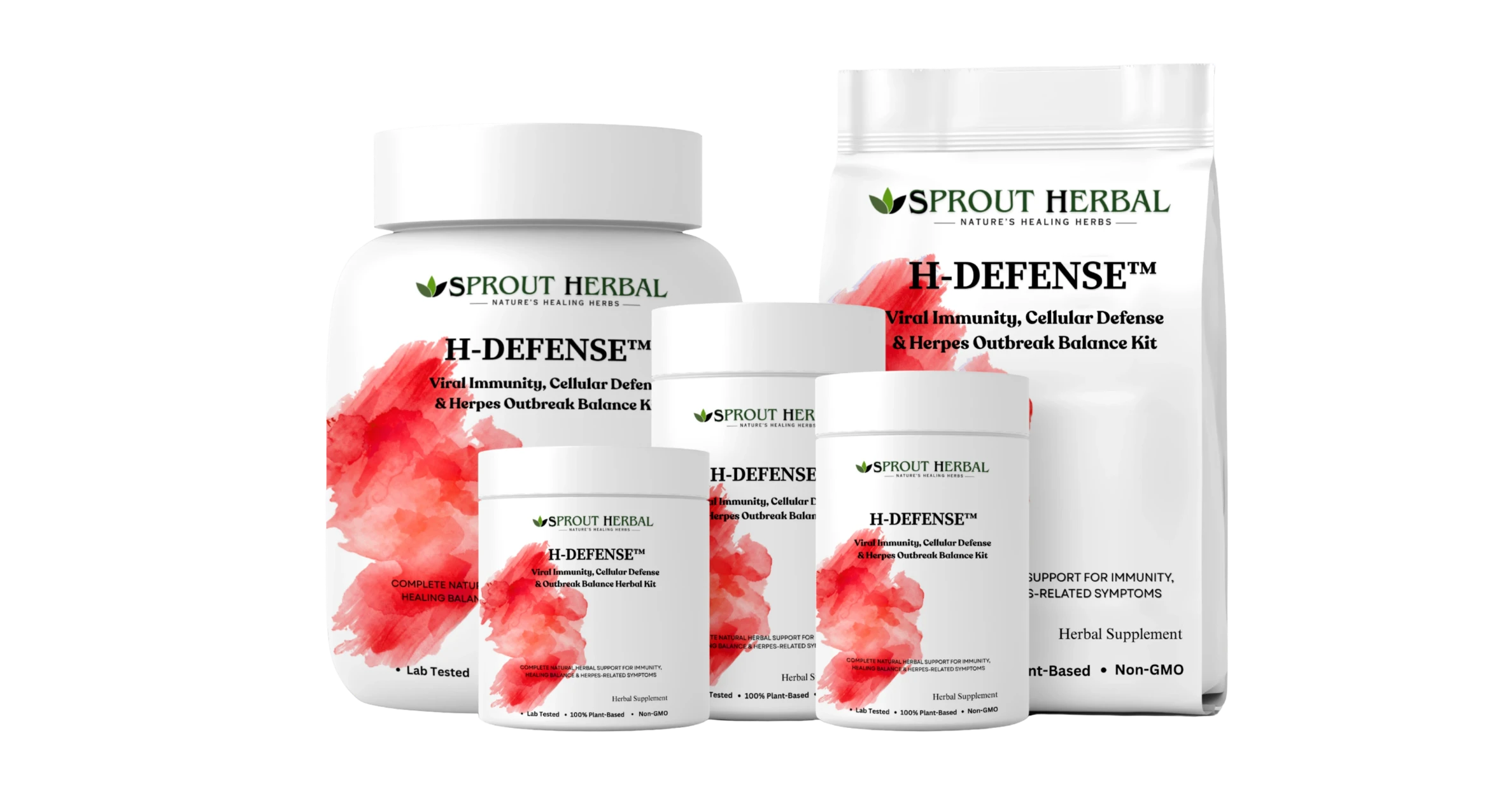
At Sprout Herbal, this concept led to the development of H-Defense, a multi-herb botanical formulation designed to support immune resilience and natural antiviral defense mechanisms. The formulation combines several medicinal plants that have been studied in modern research for their immune-supportive and antiviral properties.
Rather than targeting a single pathway, the formula brings together herbs traditionally used in herbal medicine systems that may contribute to multiple aspects of immune regulation. These plants contain polyphenols, flavonoids, and other phytochemicals that researchers continue to investigate for their biological activity.
How H-Defense Was Developed Using Scientifically Studied Antiviral Herbs
Herpes simplex virus remains present in the body for life, long-term management often focuses on strengthening immune defenses and reducing the biological triggers that may allow the virus to reactivate. While antiviral medications can help control symptoms during an outbreak, they do not eliminate the virus from nerve cells. As a result, researchers increasingly emphasize strategies that support immune resilience and help the body maintain control over latent viral infections.
A comprehensive approach to recurrent cold sores typically involves multiple factors. Maintaining healthy sleep patterns, managing stress levels, supporting nutritional balance, and protecting the skin from excessive ultraviolet exposure can all play a role in reducing the likelihood of outbreaks. In addition to these lifestyle factors, scientific research has also explored a variety of plant-derived compounds that may support immune function and demonstrate antiviral activity in experimental studies.
Over the past two decades, numerous peer-reviewed studies have examined medicinal plants traditionally used in herbal medicine systems for their potential influence on viral infections. Researchers have identified several herbs containing polyphenols, flavonoids, and other bioactive compounds that appear to interfere with viral replication, reduce inflammatory responses, or support immune signaling pathways involved in antiviral defense.
Recognizing the growing body of research surrounding these botanical compounds, the research team at Sprout Herbal developed H-Defense, a multi-herb botanical formulation designed to support natural antiviral defense and long-term immune resilience. The formulation was developed by examining available scientific literature and selecting medicinal plants that have been investigated for their antiviral, immune-supportive, or anti-inflammatory properties in modern research.
Rather than relying on a single compound, H-Defense was designed around the concept of combining several botanicals whose biological actions may complement one another. Each herb included in the formulation was chosen based on scientific evidence exploring its phytochemical composition and potential relevance to immune regulation and viral activity.
Several of the herbs included in the formulation have been the subject of laboratory studies and peer-reviewed research examining their antiviral properties against viruses such as herpes simplex virus. These plants contain naturally occurring compounds that researchers continue to investigate for their potential role in supporting the body’s natural defense systems.
Some of the notable herbs included in the formulation are discussed below.
Scientifically Studied Herbs for Recurrent Cold Sores
1) Lemon Balm (Melissa officinalis)
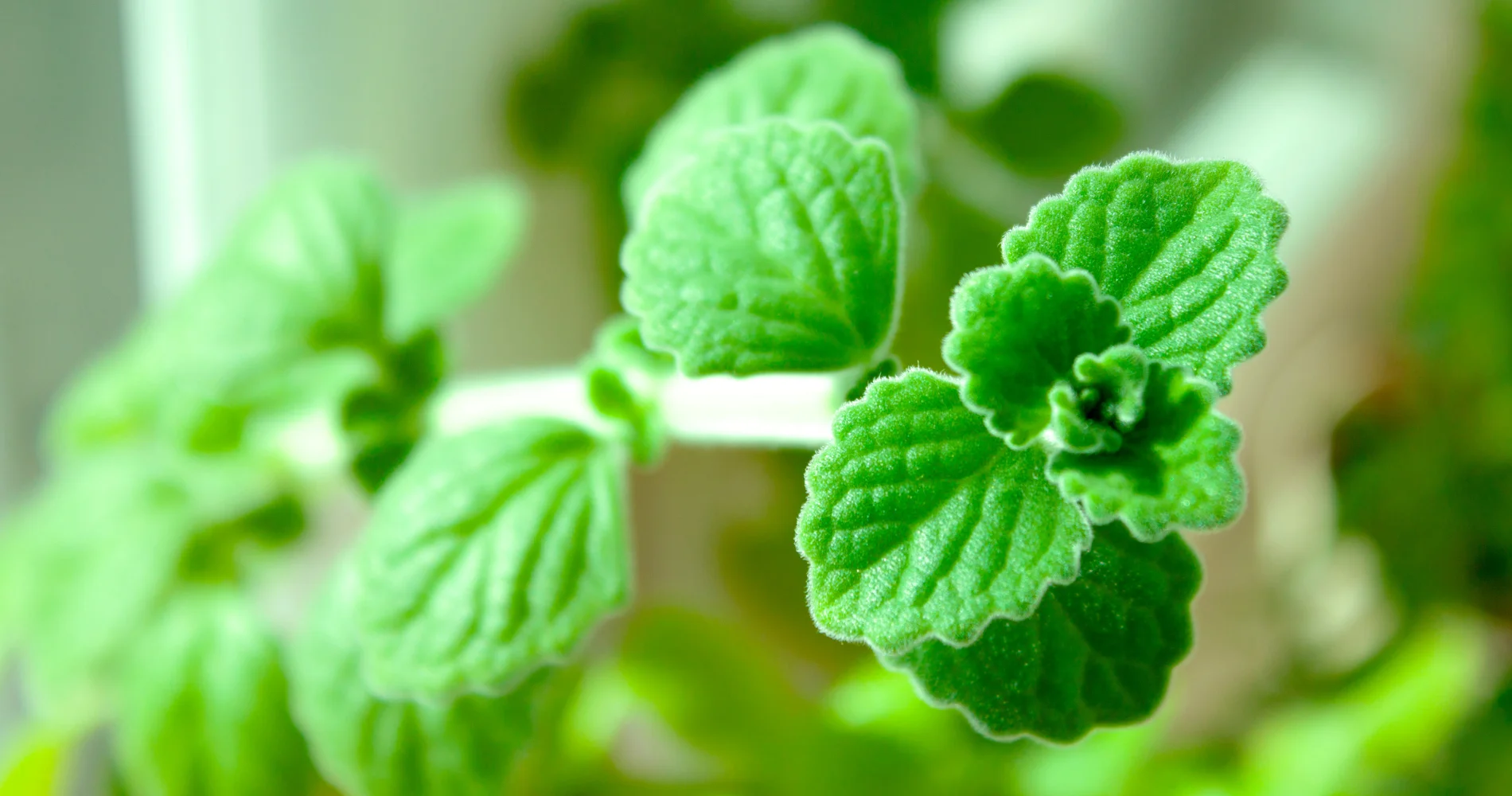
Lemon balm is a perennial herb belonging to the mint family and has been used for centuries in European herbal medicine. Traditionally, herbalists used lemon balm for calming the nervous system and supporting viral skin conditions. Modern phytochemical analysis has revealed that the plant contains a wide range of polyphenols, including rosmarinic acid, caffeic acid derivatives, and flavonoids.
Laboratory research examining lemon balm extracts has demonstrated antiviral activity against herpes simplex viruses. Scientists studying Melissa officinalis extracts found that compounds within the plant may interfere with viral attachment to host cells and reduce viral replication in infected cell cultures.
Scientific Research:
https://pmc.ncbi.nlm.nih.gov/articles/PMC9841880/
Another peer-reviewed study examining lemon balm extract reported that the plant’s polyphenols showed inhibitory activity against HSV-1 replication while remaining non-toxic to surrounding cells. Researchers concluded that lemon balm contains compounds that may contribute to antiviral activity in experimental models.
Scientific Source:
https://pubmed.ncbi.nlm.nih.gov/19023806/
Because of these findings, lemon balm has attracted attention as a botanical compound relevant to viral infections and immune support.
2) Licorice Root (Glycyrrhiza glabra)
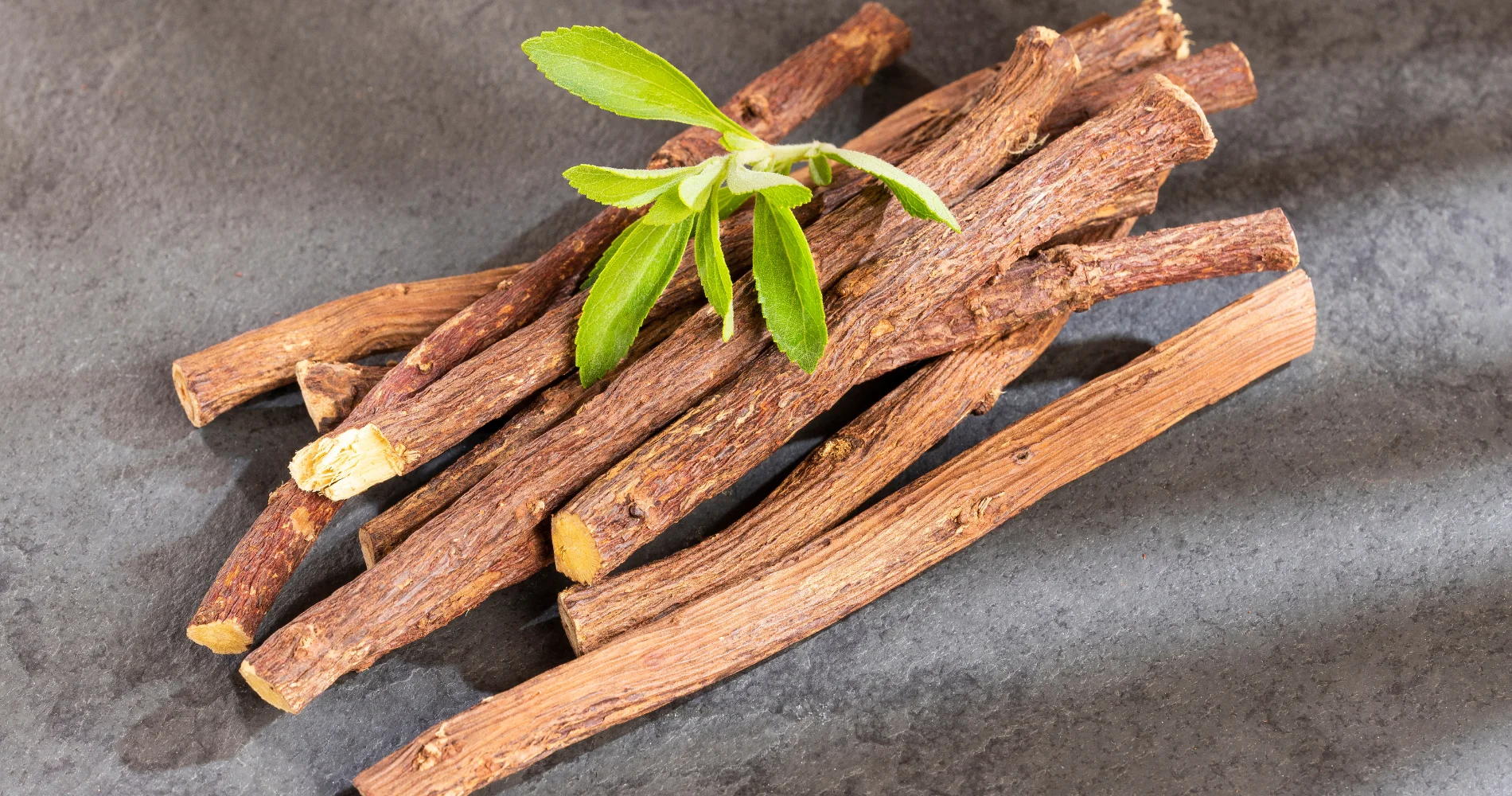
Licorice root is one of the most widely used medicinal plants in both traditional Chinese medicine and Ayurveda. The root contains a compound known as glycyrrhizin, which has been studied extensively for its biological effects.
Scientific investigations have shown that glycyrrhizin may influence several biological pathways related to inflammation, immunity, and viral replication. Researchers examining antiviral properties of licorice root have reported inhibitory effects against multiple viruses, including herpes simplex virus.
Scientific Source:
https://pmc.ncbi.nlm.nih.gov/articles/PMC4629407/
In laboratory studies, glycyrrhizin appears to interfere with viral replication and may influence cellular pathways involved in immune responses. These findings have led researchers to investigate licorice root as a botanical compound with potential antiviral relevance.
Because of its long history of use and the growing body of research examining its biological effects, licorice root is frequently included in herbal formulations designed to support immune health.
3) Tulsi (Ocimum sanctum)
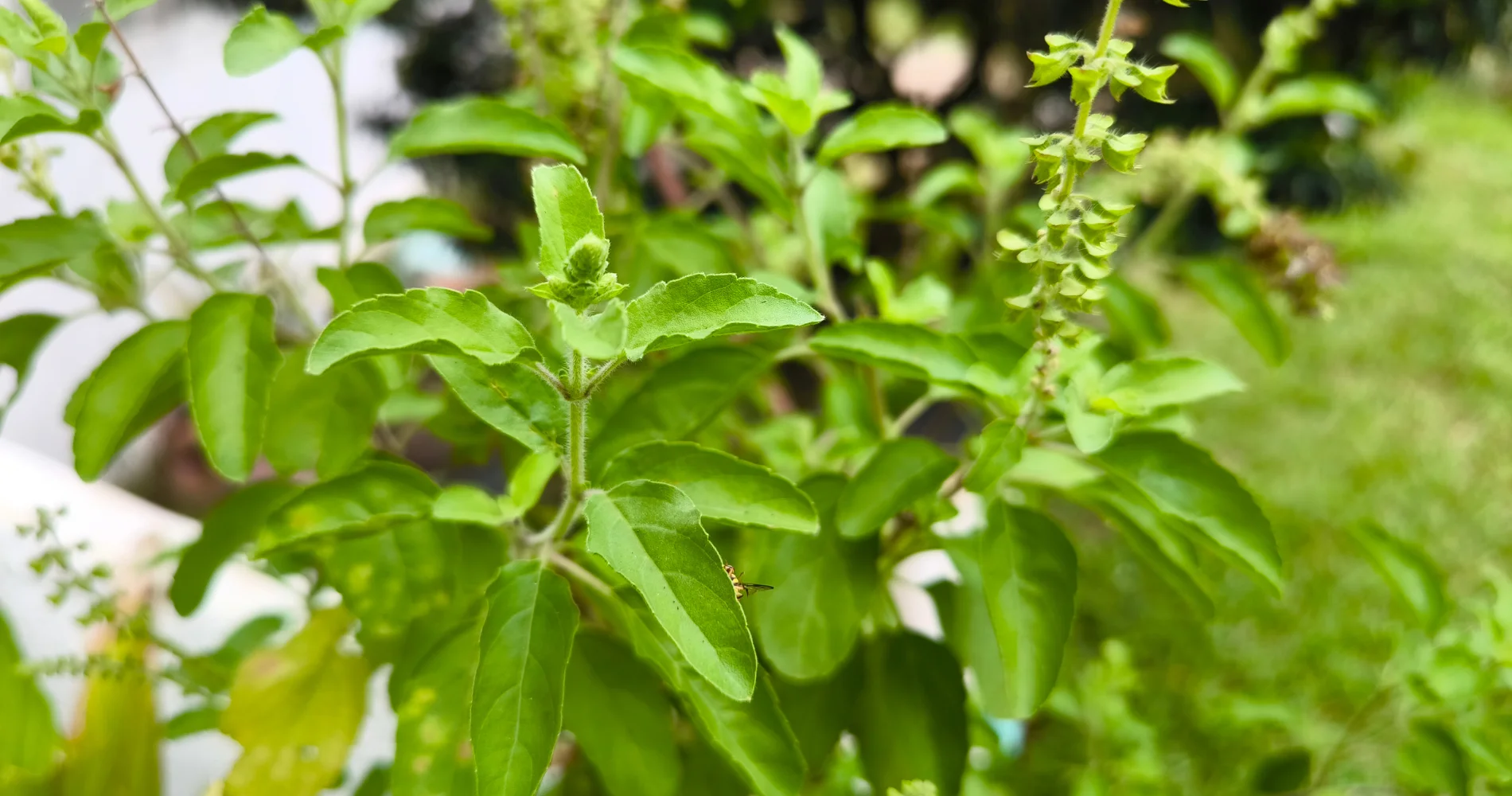
Tulsi, also known as holy basil, occupies a central role in Ayurvedic medicine and is widely recognized for its adaptogenic and immune-supportive properties. The plant contains numerous phytochemicals including eugenol, ursolic acid, and flavonoids that contribute to its biological activity.
Scientific research investigating tulsi has reported that the plant exhibits antimicrobial, antioxidant, and immunomodulatory effects. These properties may help support immune responses during periods of physiological stress.
Scientific Source:
https://pmc.ncbi.nlm.nih.gov/articles/PMC4296439/
Stress is one of the most commonly reported triggers for herpes virus reactivation. Herbs like tulsi that support stress resilience may indirectly contribute to maintaining immune balance and reducing conditions that allow viral reactivation.
4) Giloy (Tinospora cordifolia)
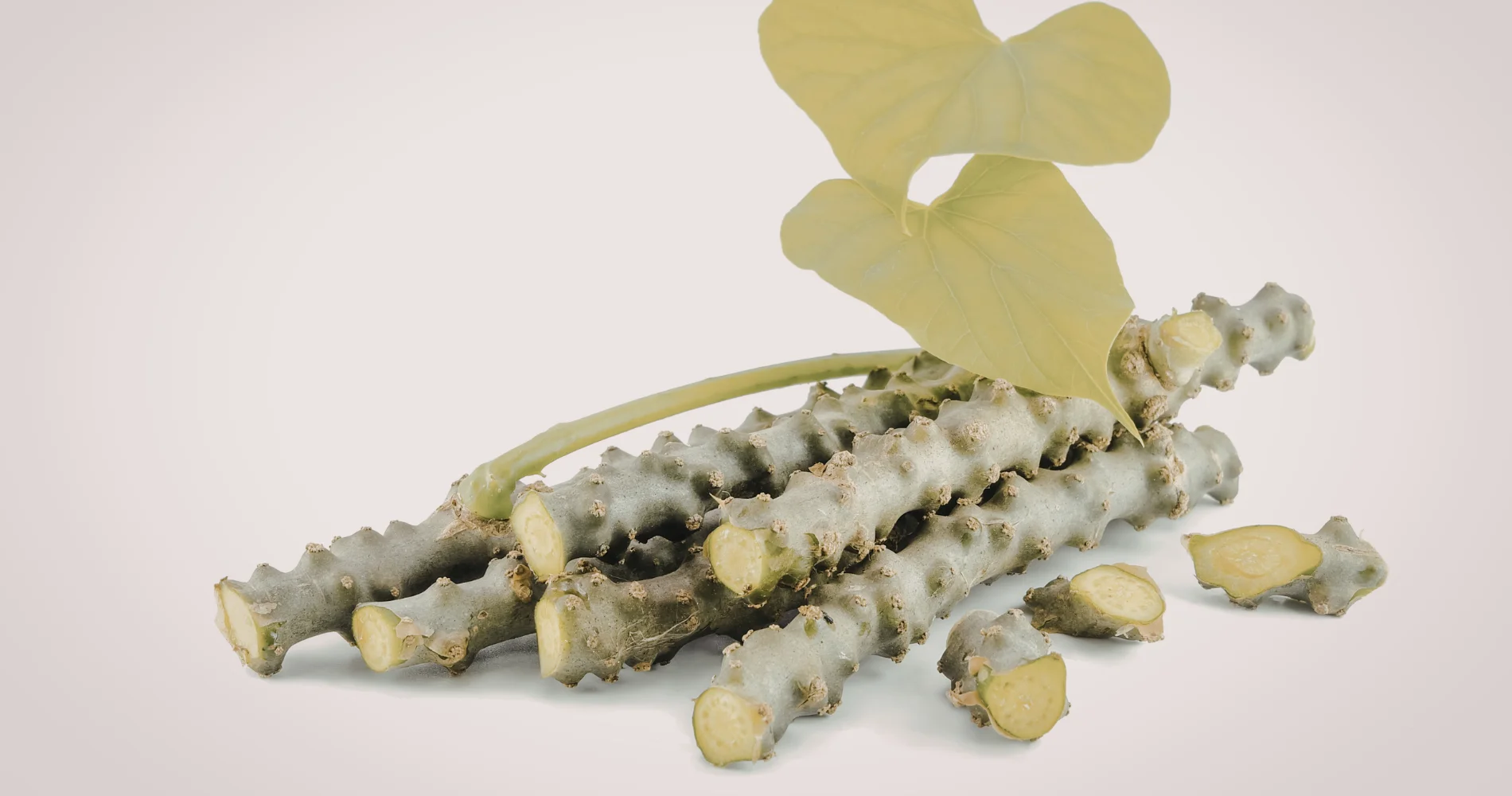
Giloy, also known as Guduchi, is an important herb in Ayurvedic medicine traditionally used to support immunity and vitality. The plant contains alkaloids, diterpenoid lactones, and polysaccharides that researchers believe contribute to its immune-modulating properties.
Scientific studies investigating Tinospora cordifolia extracts have demonstrated that the plant may stimulate immune cell activity and influence cytokine production involved in immune regulation.
Scientific Source:
https://pmc.ncbi.nlm.nih.gov/articles/PMC10882059/
By influencing immune signaling pathways, giloy may help support the body’s ability to maintain balance in the presence of viral stress.
5) Andrographis (Andrographis paniculata)
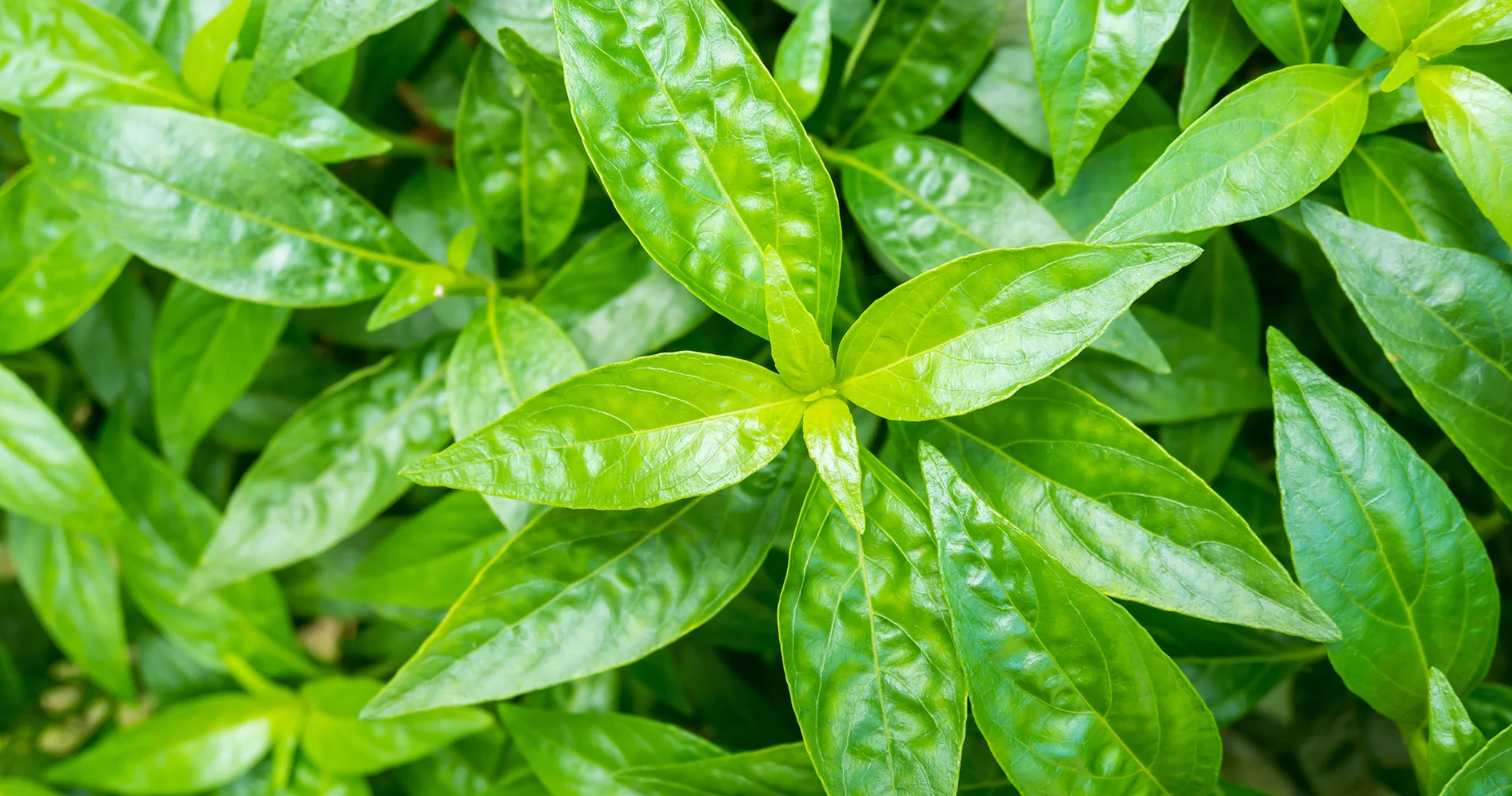
Andrographis is a medicinal herb widely used throughout Asia for immune and respiratory support. The plant contains bioactive compounds known as andrographolides, which have been studied for their anti-inflammatory and antiviral properties.
Experimental studies examining andrographolide compounds have suggested that they may influence pathways involved in viral replication and immune signaling.
Scientific Source:
https://pmc.ncbi.nlm.nih.gov/articles/PMC4032030/
Because of these biological properties, andrographis has become an area of interest in research exploring botanical approaches to immune resilience.
6) Prunella vulgaris
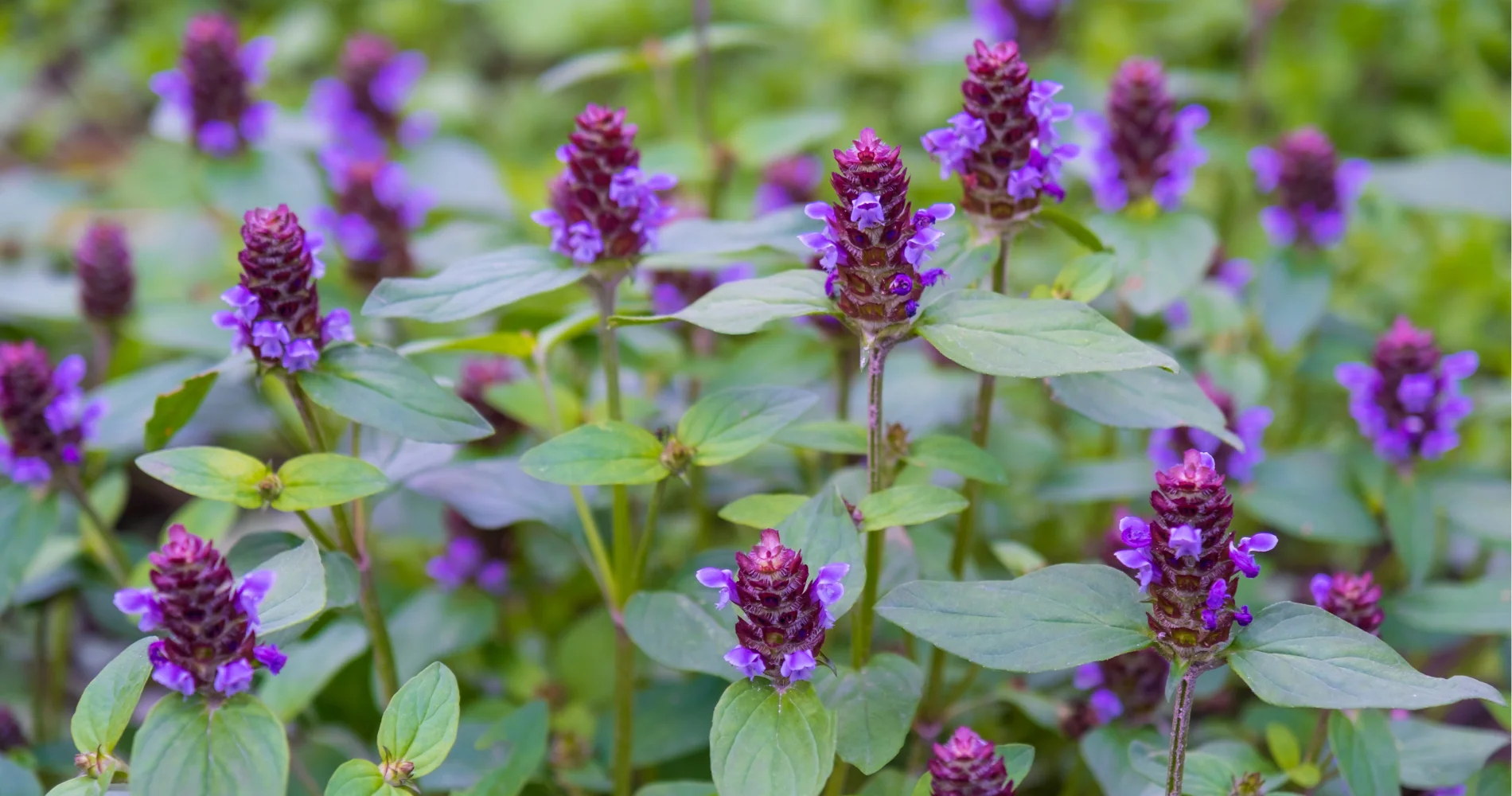
Prunella vulgaris, sometimes referred to as self-heal, is a plant used historically in both European and Chinese herbal medicine. Modern phytochemical research has identified several compounds within Prunella that appear to possess antiviral activity.
Laboratory studies examining Prunella extracts have demonstrated inhibitory effects against herpes simplex virus in experimental settings.
Scientific Source:
https://pmc.ncbi.nlm.nih.gov/articles/PMC10773030/
These findings have prompted scientists to continue investigating the plant’s bioactive compounds and their potential influence on viral replication.
Lifestyle Strategies That May Help Reduce Cold Sore Outbreaks

While herbs and supplements may offer supportive benefits, lifestyle factors also play a critical role in managing recurrent cold sores. Because HSV-1 reactivation is closely linked to immune function and physiological stress, maintaining overall health can influence how frequently outbreaks occur.
Stress management is particularly important. Chronic psychological stress can weaken immune defenses and create biological conditions that allow viruses to reactivate. Practices such as meditation, exercise, and adequate sleep can help regulate stress hormones and support immune resilience.
Sun protection is another factor. Ultraviolet radiation has been associated with herpes virus reactivation, and dermatologists often recommend lip balms containing SPF to reduce UV exposure in individuals prone to outbreaks.
Nutrition also plays an important role in immune health. Adequate intake of vitamins and minerals such as zinc, vitamin C, and vitamin D supports immune function and cellular defense mechanisms.
Maintaining consistent sleep patterns, regular physical activity, and balanced nutrition can contribute to a stronger immune system that is better equipped to regulate latent viruses.
Bottom Line
Cold sores are caused by herpes simplex virus type 1, a virus that remains in the body for life by hiding within nerve cells. Because the virus establishes latency inside the nervous system, outbreaks may return when certain triggers such as stress, illness, ultraviolet exposure, or temporary immune suppression occur. Understanding these triggers can help individuals take steps to reduce the likelihood of recurrent outbreaks.
While conventional antiviral medications can shorten the duration of symptoms, they do not remove HSV-1 from the body. For this reason, long-term management often focuses on strengthening immune resilience and minimizing factors that promote viral reactivation. Research into plant-derived compounds has identified several medicinal herbs that contain antiviral, anti-inflammatory, and immune-supportive phytochemicals.
Botanical formulations such as H-Defense by SproutHerbal were developed based on this growing body of scientific research. By combining multiple herbs traditionally used for immune support and studied for their antiviral properties, these formulations aim to support the body’s natural defense mechanisms and promote long-term immune balance.
For individuals dealing with recurrent cold sores, combining healthy lifestyle practices with scientifically studied herbal compounds may offer a comprehensive strategy for supporting immune health and managing viral resilience over time.
Scientific References
HSV-1 Latency in Human Trigeminal Ganglia
Scientific Source:
https://pmc.ncbi.nlm.nih.gov/articles/PMC3492847/
Herpes Virus Transport and Neuronal Latency
Scientific Source:
https://pmc.ncbi.nlm.nih.gov/articles/PMC5019400/
HSV-1 Genome Persistence in Trigeminal Ganglia
Scientific Source:
https://pmc.ncbi.nlm.nih.gov/articles/PMC1892378/
Latency Associated Transcripts in HSV Infection
Scientific Source:
https://pubmed.ncbi.nlm.nih.gov/2833602/
Immune Control of HSV Reactivation
Scientific Source:
https://www.frontiersin.org/articles/10.3389/fimmu.2021.723809
Plant-Derived Antiviral Compounds Review
Scientific Source:
https://pmc.ncbi.nlm.nih.gov/articles/PMC9589345/
Lemon Balm Antiviral Activity Study
Scientific Source:
https://pmc.ncbi.nlm.nih.gov/articles/PMC9841880/
Licorice Root Antiviral Research
Scientific Source:
https://pmc.ncbi.nlm.nih.gov/articles/PMC4629407/
Tulsi Immunomodulatory Research
Scientific Source:
https://pmc.ncbi.nlm.nih.gov/articles/PMC4296439/
Tinospora cordifolia Immune Study
Scientific Source:
https://pmc.ncbi.nlm.nih.gov/articles/PMC10882059/
Andrographis Antiviral Research
Scientific Source:
https://pmc.ncbi.nlm.nih.gov/articles/PMC4032030/
Prunella vulgaris Antiviral Study
Scientific Source:
https://pmc.ncbi.nlm.nih.gov/articles/PMC10773030/